Burnout, Neurodivergence and the Emotional Cost of Coping
You may still be getting up, going to work, caring for others, attending meetings, replying to messages, and appearing “fine” to the outside world.
Yet privately, you may feel exhausted in ways you cannot fully explain.
Perhaps conversations leave you feeling overwhelmed afterwards. Maybe you need silence after being around people. Perhaps the thought of cooking, tidying, replying to messages, or even brushing your teeth sometimes feels far bigger than it once did.
You may find yourself becoming more irritable, emotionally reactive, forgetful, emotionally numb, or withdrawn. You may feel guilty for struggling with things that once felt manageable.
For many people, particularly neurodivergent individuals and those who have spent years surviving chronic stress, trauma, caregiving pressure, emotional masking, or systemic stress, burnout does not always look the way people expect it to.
Sometimes burnout looks less like “giving up” and more like continuing to function while quietly falling apart underneath.
When Burnout Is Misunderstood
Many people associate burnout with being unable to get out of bed or completely stopping work. Yet burnout can often appear much more quietly, especially in autistic and ADHD individuals, carers, parents, therapists, teachers, healthcare workers, and people who have spent years adapting to survive.
You may still be capable of supporting others, showing up professionally, or “switching on” socially. Yet the moment the interaction ends, your body and mind may feel overwhelmed.
Perhaps you notice:
• needing silence after conversations
• feeling irritated after work or social interaction
• becoming overwhelmed by noise, touch, or demands
• shutting down emotionally after “holding it together”
• struggling to tolerate further conversation once home
• feeling exhausted after masking or performing socially
For some people, burnout also begins appearing in quieter ways:
• forgetting to eat or drink regularly
• reduced appetite
• waking very early and struggling to return to sleep
• clothes building up around the home
• struggling to tidy or organise spaces
• difficulty cooking meals
• neglecting personal hygiene or self-care
• increased sensitivity to sound, light, or touch
• feeling emotionally flat, numb, or detached
• struggling to reply to messages or maintain relationships
Sometimes a room, a cupboard, or a pile of unfinished tasks can begin reflecting how overwhelmed the nervous system feels internally.
Many people experiencing burnout blame themselves. They may think they are lazy, failing, “too emotional”, disorganised, or simply not coping well enough.
Yet often, the mind and body have been surviving under pressure for far too long.
The Hidden Cost of Masking and Survival
For many neurodivergent people, especially autistic and ADHD individuals, burnout can develop after years of masking.
Masking can involve consciously or unconsciously suppressing natural responses in order to appear socially acceptable, calm, organised, productive, emotionally regulated, or “normal” to others.
Over time, constantly monitoring yourself, adapting to environments, hiding overwhelm, or forcing yourself through exhaustion can become deeply draining.
This can feel particularly complicated for people who are also carrying caregiving responsibilities, trauma histories, financial stress, racial stress, discrimination, or pressure to always remain strong for others.
In Black communities especially, many people grow up hearing messages about strength, resilience, survival, and endurance.
The “strong Black woman” or “strong Black man” narrative can absolutely hold pride, wisdom, resilience, and survival. Yet it can also make exhaustion harder to recognise.
When survival becomes normalised, many people stop recognising when they are actually burnt out.
You may continue functioning because you feel you have no choice.
You may minimise your exhaustion because others have depended on you for so long.
You may feel guilty for needing rest, support, softness, or space.
For neurodivergent Black women especially, burnout may sometimes be misunderstood as “attitude”, irritability, disengagement, anxiety, emotional instability, or poor coping, rather than recognised as nervous system exhaustion after years of chronic adaptation and survival.
When Neurodivergence Is Hidden Behind Strengths
One reason many people remain undiagnosed for years is because neurodivergence does not always look the way people expect it to.
Some autistic or ADHD individuals are highly articulate, academically successful, creative, empathic, insightful, or professionally capable. They may excel within areas such as teaching, business, science, creativity, writing, music, design, caregiving, entrepreneurship, or problem-solving.
Within discussions around neurodivergence, the term “twice exceptional” is sometimes used to describe individuals who are both neurodivergent and highly capable or gifted in particular areas.
For some people, these strengths can unintentionally hide distress.
Someone may appear confident and successful externally while privately struggling with sensory overwhelm, emotional regulation, executive functioning difficulties, social exhaustion, shutdown, chronic anxiety, or severe burnout.
As a result, many people grow up believing there is simply something “wrong” with them because they can succeed in some areas while struggling deeply in others.
They may think:
“If I’m intelligent, capable, creative, or empathic, how can I also be struggling this much?”
Yet neurodivergence and capability can absolutely exist together.
Sometimes the very strengths that help someone survive also make their exhaustion less visible to others.
Looking Beyond “What Is Wrong With Me?”
I think one of the most important shifts within therapy and mental health conversations is moving away from asking only:
“What is wrong with me?”
and also beginning to ask:
“What have I been carrying?”
“What have I adapted to?”
“What has my nervous system survived?”
“What expectations have I placed on myself?”
“What environments have I been trying to function within?”
“How long have I been overriding my own needs?”
These questions matter because emotional distress does not exist in isolation.
Trauma, racism, discrimination, poverty, caregiving pressure, sensory overwhelm, emotional masking, family dynamics, cultural expectations, chronic stress, and neurodivergence can all shape the way a person experiences themselves and the world.
Sometimes what looks like dysfunction is actually adaptation.
Sometimes what looks like “laziness” is exhaustion.
Sometimes what looks like irritability is overwhelm.
Sometimes what looks like avoidance is a nervous system that has reached capacity.
Recognising Burnout With Compassion
Recognising burnout is not about labelling yourself as broken. It is about understanding what your mind and body may have been trying to communicate for a long time.
For some people, support may involve:
• speaking with a GP about exhaustion, sleep, appetite, or hormonal changes
• exploring possible neurodivergence
• tracking emotional and energy patterns throughout the week
• noticing which environments or interactions increase overwhelm
• reducing masking where possible
• creating more realistic expectations of yourself
• accessing therapy that considers trauma, neurodivergence, culture, identity, and nervous system responses together
• allowing rest before reaching complete collapse
Most importantly, it may involve beginning to view yourself with more compassion.
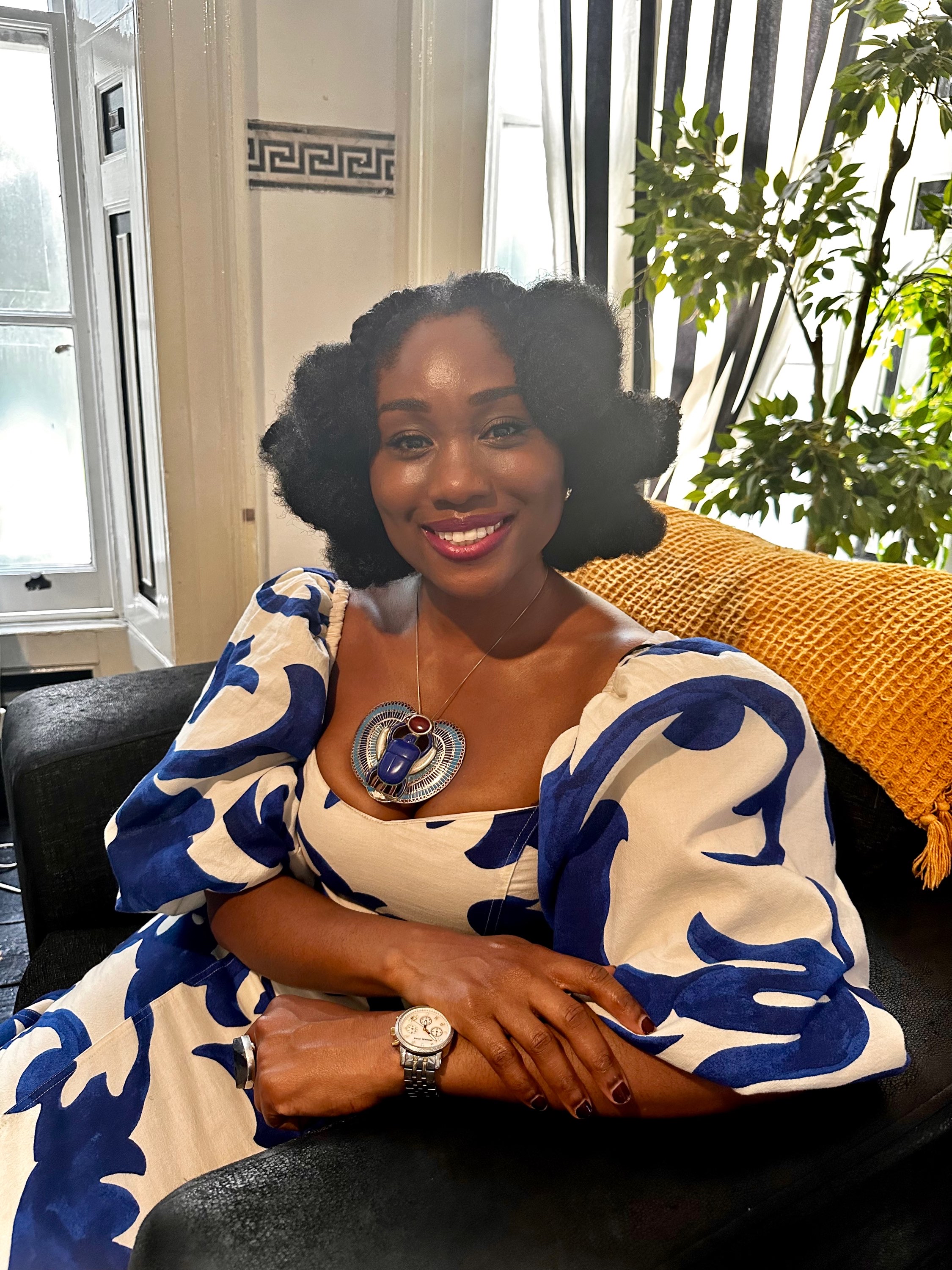
Novena-Chanel Davies is an integrative counsellor, clinical supervisor, author, and founder of the IERA-Therapy™ framework, exploring the intersections between trauma, neurodivergence, nervous system regulation, racialised experience, burnout, and intergenerational healing.


Comments